CASE STUDY / THE GREAT PROGRESSION
AT A GLANCE
Big Think and futurist Peter Leyden gathered Bay Area technologists, scientists, and creative leaders in San Francisco to explore the next 25 years.
DATE
May 2025
FORMAT
Conversation
LOCATION
San Francisco
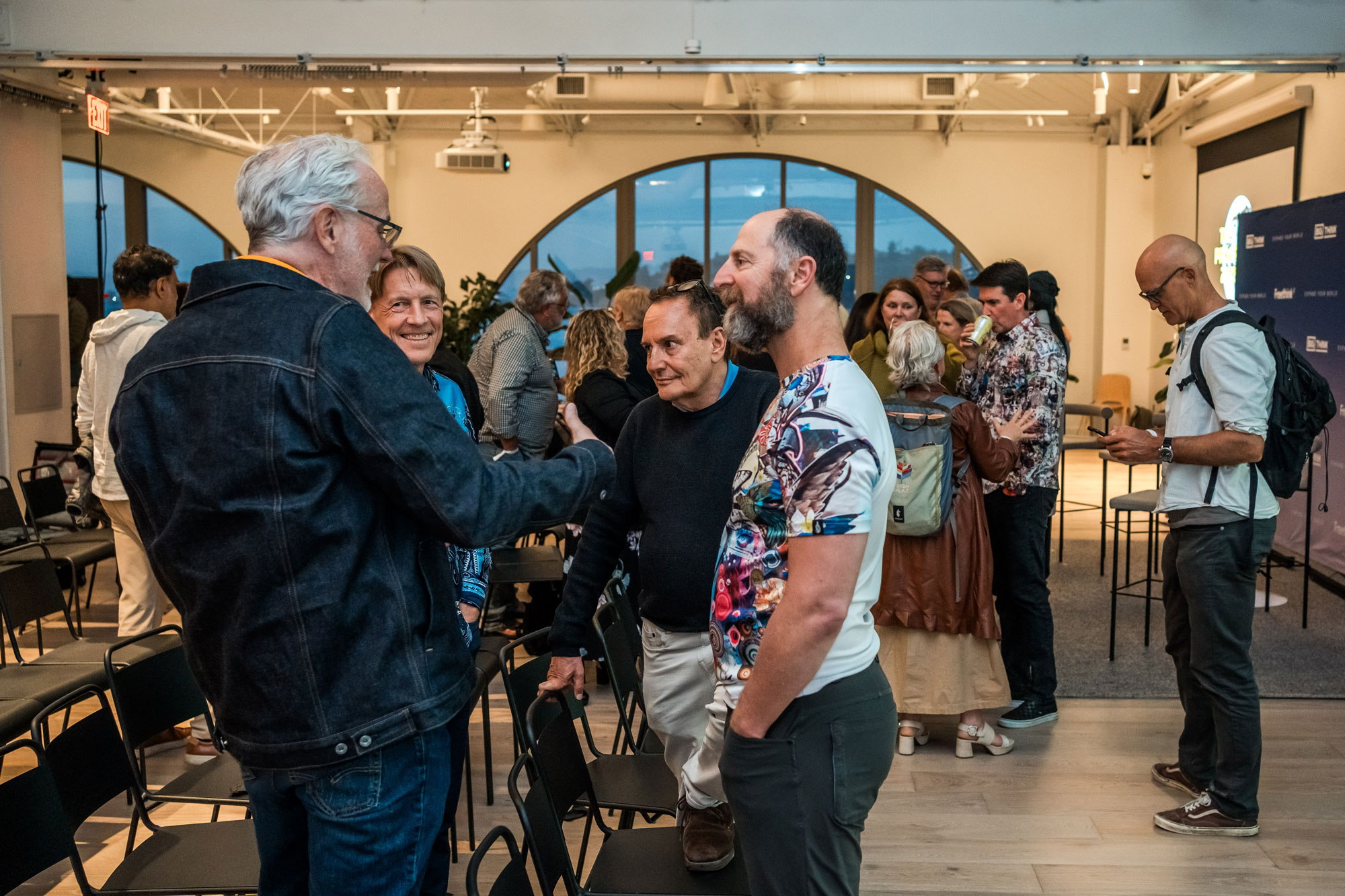
Curated by Peter Leyden in partnership with Big Think, the evening featured bold ideas, dynamic conversations, and a celebration of the innovators shaping what comes next. It was a night to frame the future — and to meet the people building it. We brought together Bay Area technologists, scientists, and creative leaders to dig into how emerging technologies might shape the next 25 years.
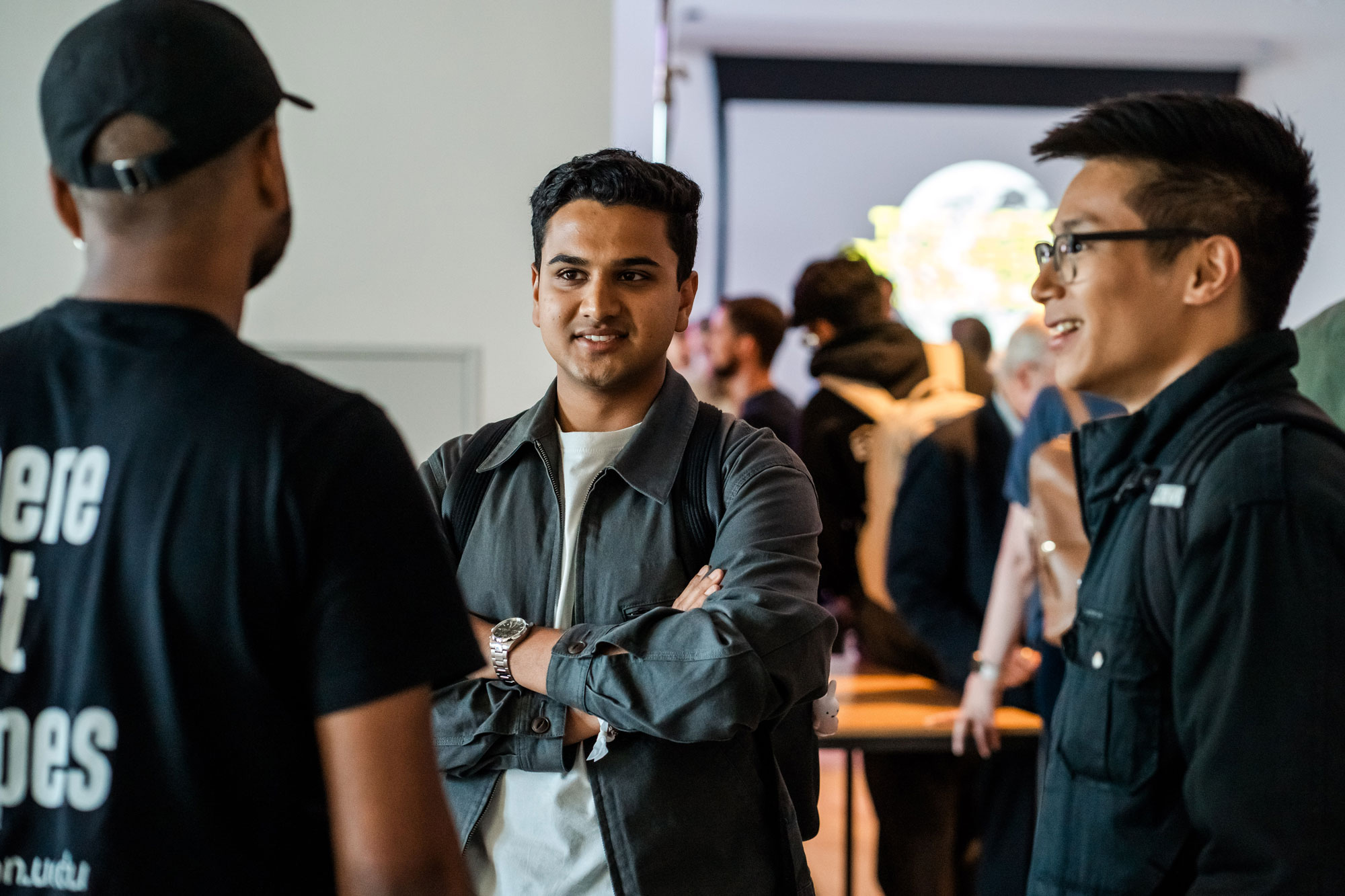
The evening unfolded at the iconic Ferry Building overlooking the bay, where cocktails flowed and an eclectic crowd of innovators mingled — think tech world veterans, Central Valley entrepreneurs, academics, and beyond. It was equal parts salon and party, designed to get people talking and thinking.
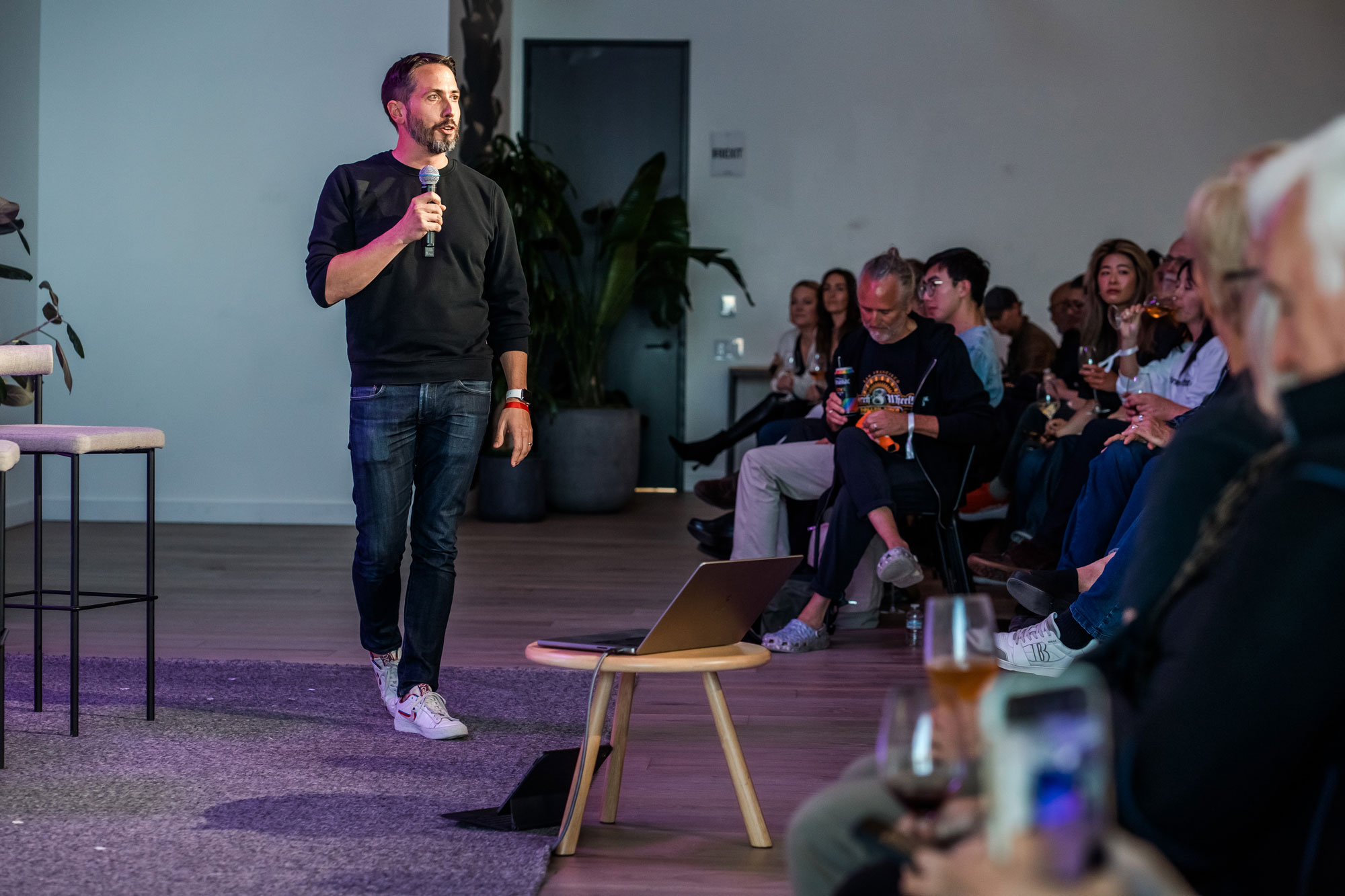
Big Think CEO Chandler Tuttle kicked things off and then handed the stage to Leyden, who sketched the stakes of a compelling new narrative that the series will tackle: we’re witnessing the collapse of 20th-century systems and the emergence of a new technological era that could usher in a golden age — if we navigate it thoughtfully.
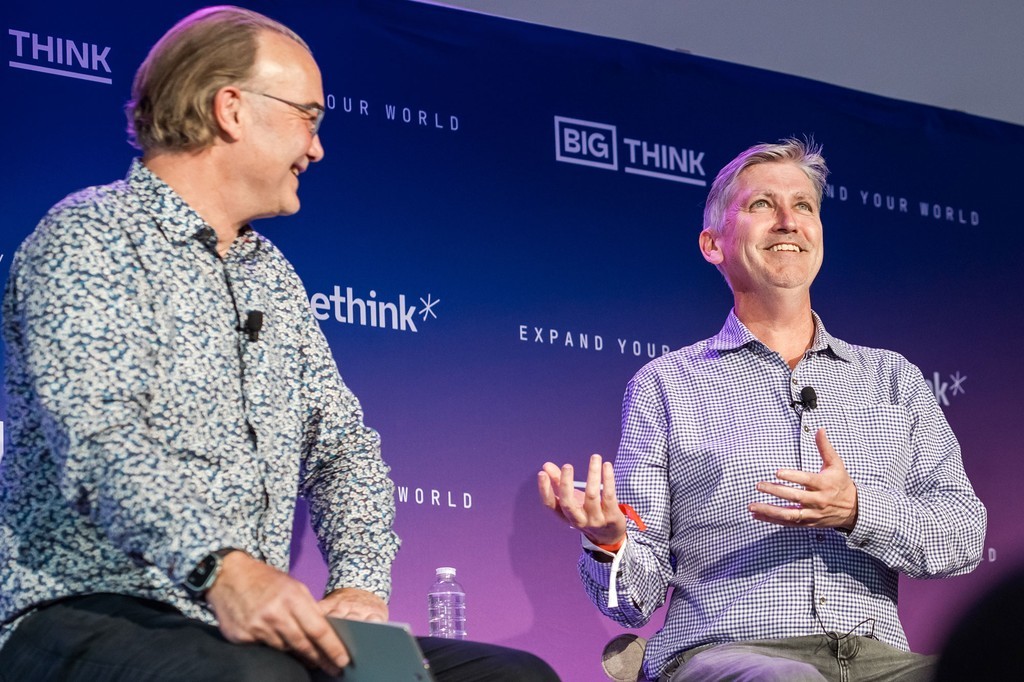
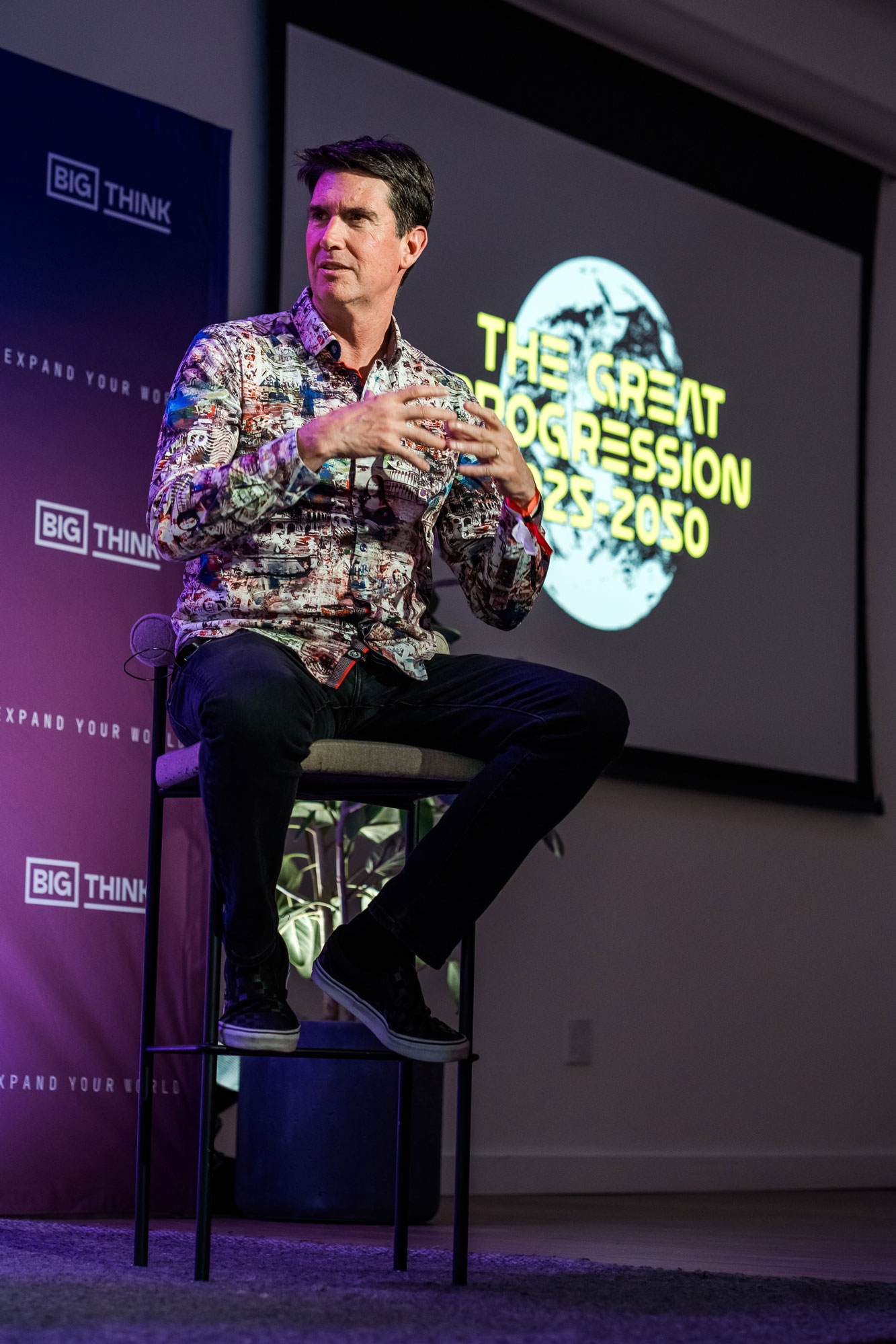
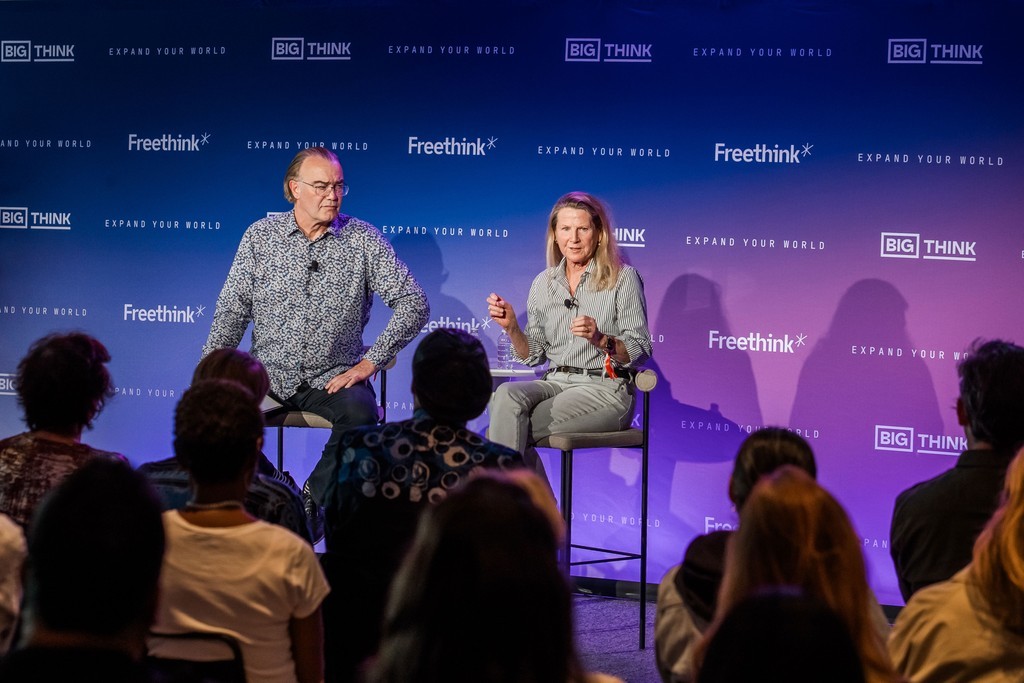
The heart of the evening was Leyden’s conversation with three remarkable guests who are shaping the future in their respective fields:
Adam Cheyer, co-founder of Siri and VP of AI Experience at Airbnb, described his astonishment at how models trained to predict the next word developed the ability to connect concepts across fields, from physics and mathematics to poetry and history. “For me, the holy grail of AI just hopped out, with no one expecting it or really conceiving of it.”
Steven Johnson, bestselling author and Editorial Director of Google Labs, talked about recognizing early that large language models represent something as profound as the invention of the web. “The mistake would be thinking it’s hype,” he said, explaining how initial skepticism gave way once he began to run his own prompts. “Half the time it just helps me consolidate concepts I’m struggling with. And current search? This future tech prompts you to ask: ‘Where is the missing link in this material?’ And sometimes it shows me something I never would’ve found on my own.”
Ryan Phelan, co-founder of Revive & Restore, brought a different but equally compelling perspective with synthetic biology. She explained how the same genomic innovations accelerating drug development could also revive extinct species and restore biodiversity. Her remarks sparked one of the night’s most exciting exchanges: “With artificial life we see not just tinkering, but a broader sense of designing living systems. And that could change everything from booming cities to how we think about conservation rather than just disruption.”